13 Minutes…
In 2018, I fulfilled a lifelong dream.
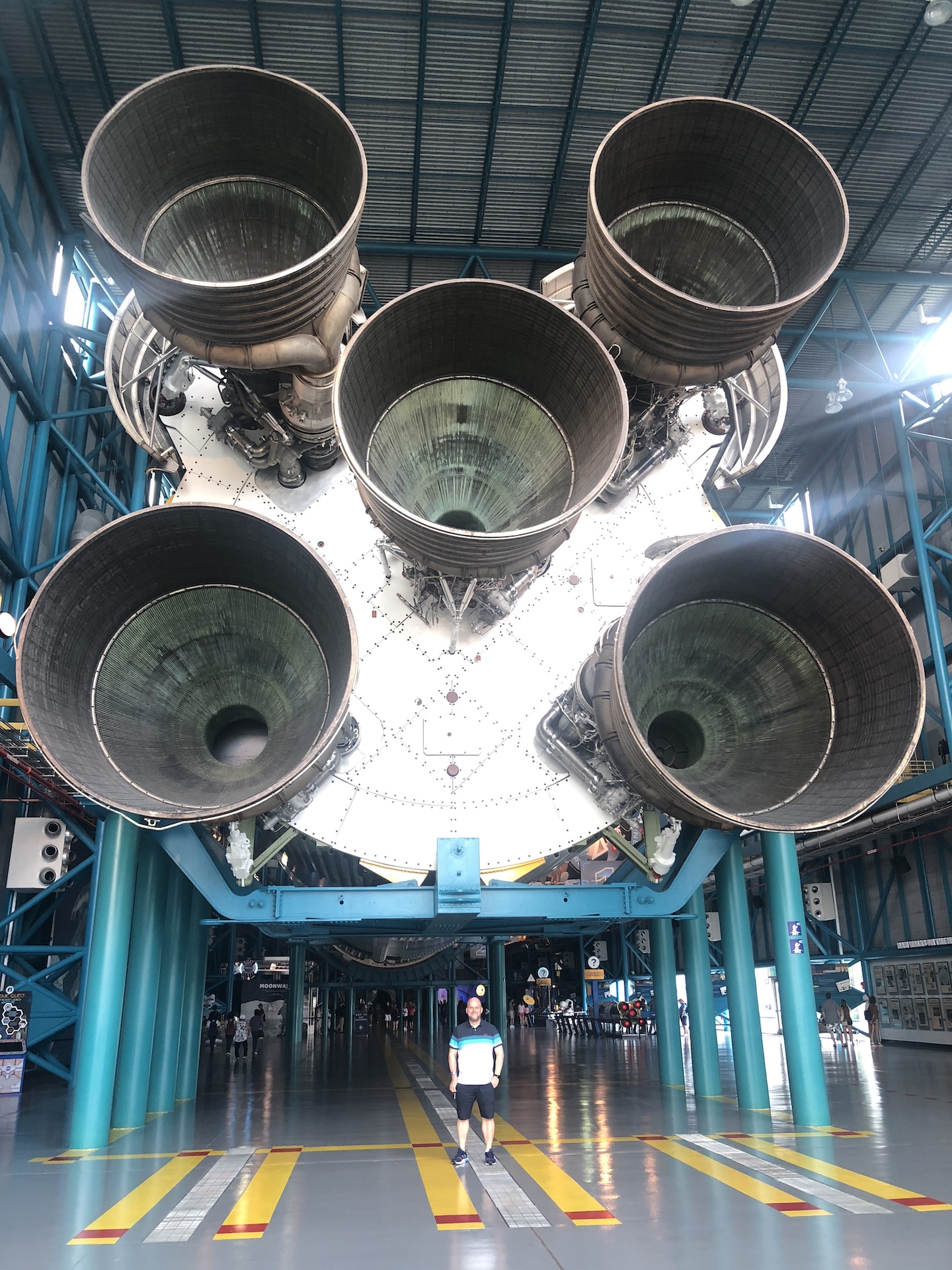
On a family holiday to Florida and Maryland, we spent a day at the Kennedy Space Center. I stood underneath a Saturn V, saw the Space Shuttle Atlantis and got to see artefacts from the history of American space exploration. These were the very same things that I’d read about as a child and dreamed of seeing for almost forty years.
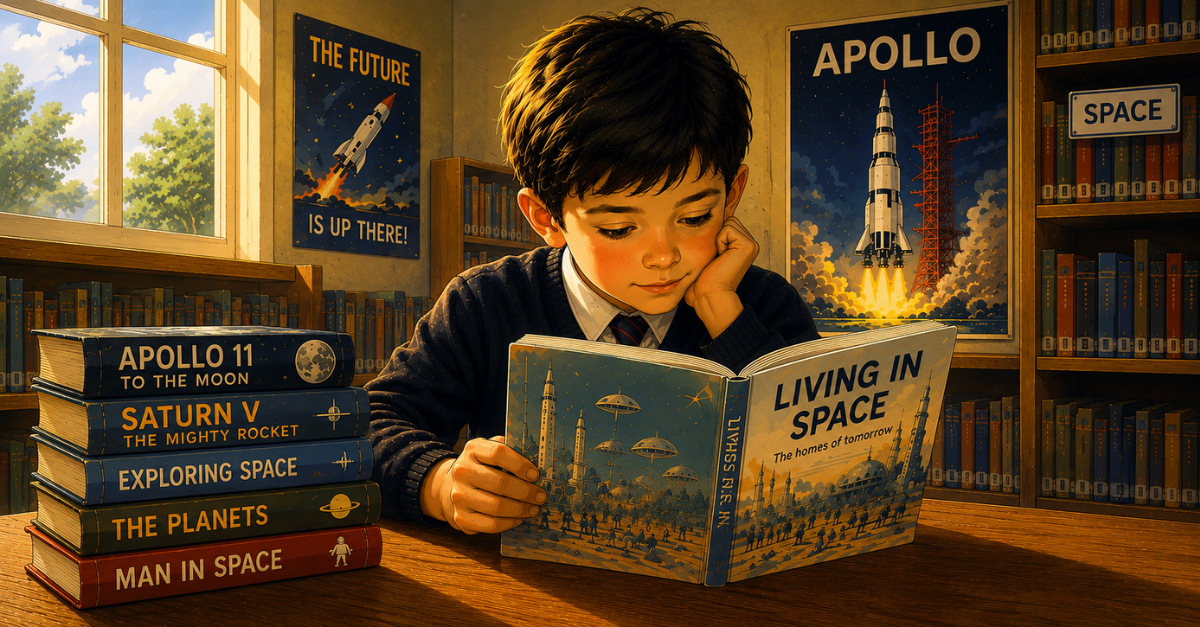
I grew up in the 1970s and 80s, when space travel still seemed to be part of the future. I wasn’t a space geek, but the books in the school library certainly left an impression. Apollo missions, enormous rockets, astronauts walking on the Moon and visions of people living on space stations – or even on the Moon itself. The year 2000 was the future then, and it was all incredibly exciting.
Then came the Space Shuttle.
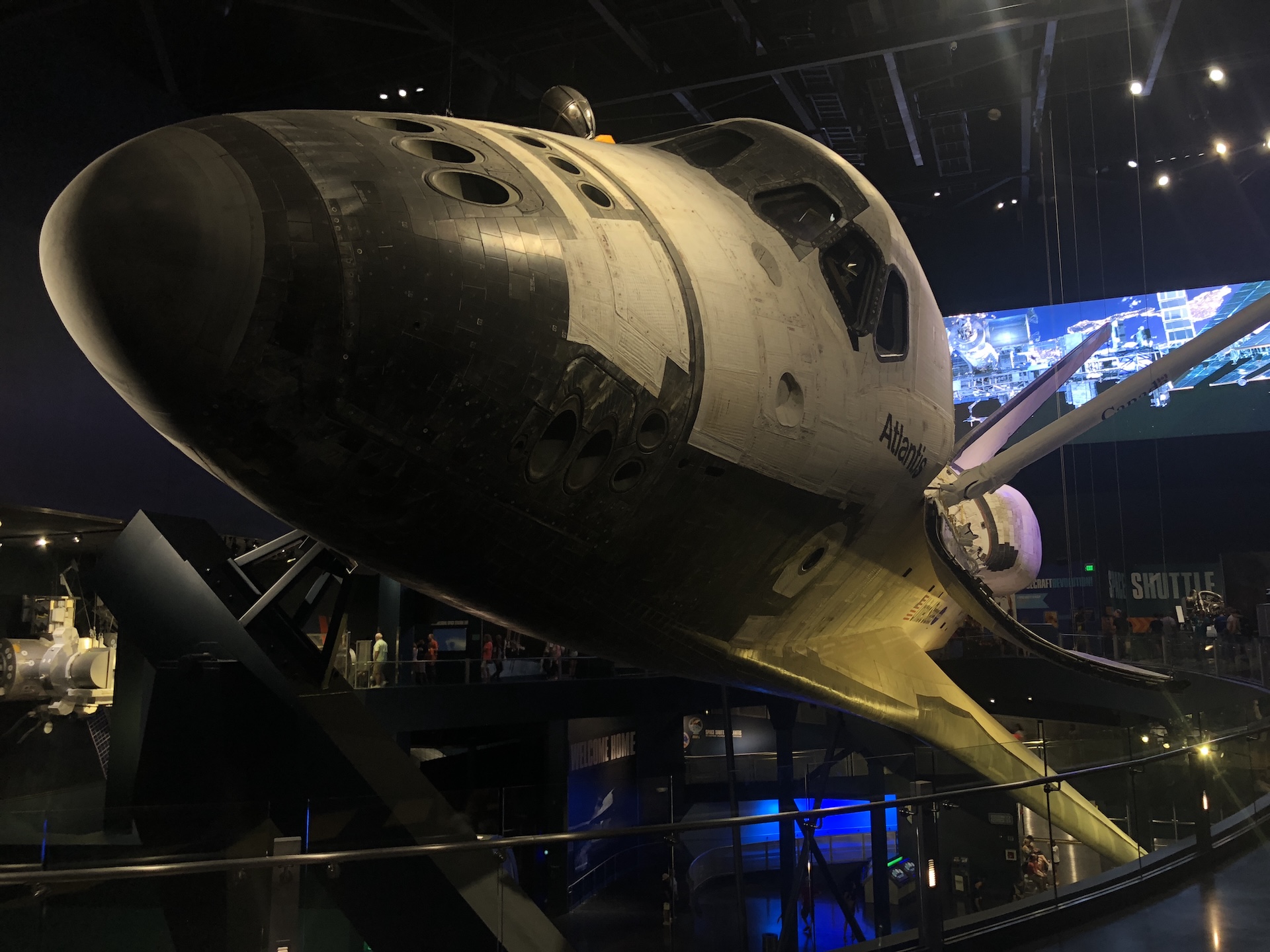
For my generation, the Shuttle was the spacecraft. It looked more like an aeroplane than a rocket and seemed to promise that travelling into space might one day become almost routine. Of course, we know it didn’t quite work out that way.
Recently, I’ve been revisiting some of that history through the BBC World Service podcast 13 Minutes to the Moon.
The first series tells the story behind the final 13 minutes of the Apollo 11 descent. I loved the drama of it. We all know how the story ends, but the storytelling puts you right back into those moments – the alarms, the decisions and the dwindling fuel supply. I couldn’t wait for the next episode to be released.
Series two does something similar with Apollo 13, another story where knowing the outcome does nothing to diminish the tension.
Somehow, series three passed me by completely. So, when I recently noticed that it had appeared in my podcast feed, I was delighted to discover there was more 13 Minutes… waiting for me. This time the subject was the Space Shuttle. It’s a different kind of story, covering an entire programme rather than a single mission, but I found it fascinating and binge-listened to the whole series.
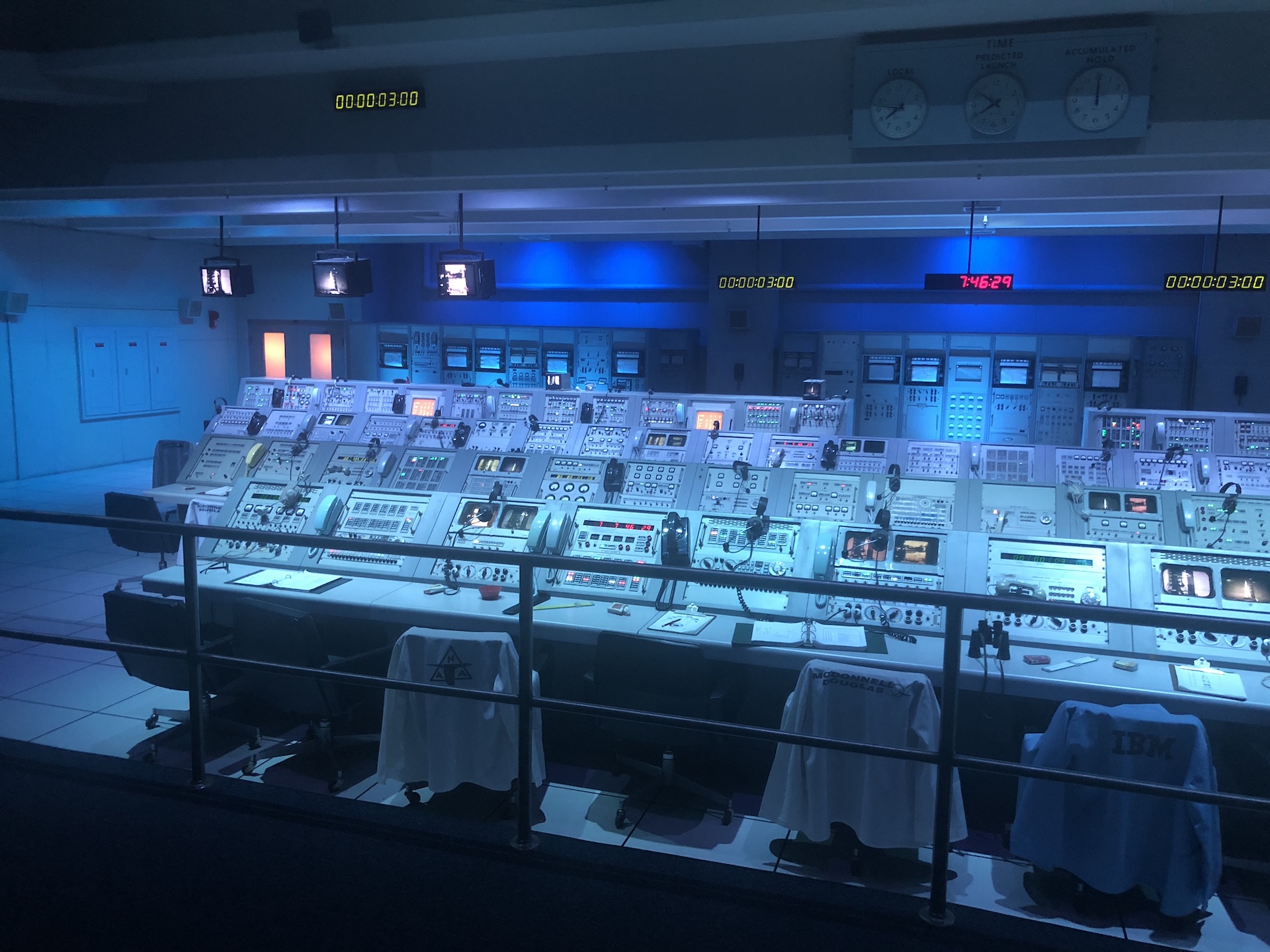
And now I’m catching up with series four.
This one is different again. Rather than looking back and retelling a story, it follows Artemis II day-by-day – the April 2026 mission that took humans around the Moon for the first time since Apollo 17 in 1972.
Perhaps we didn’t end up living in space as I imagined we might when I was a child. But, more than 50 years after Apollo, humans are travelling beyond low Earth orbit and around the Moon again.
And 13 Minutes… has taken me right back to those books in the school library.
If any of that captures your imagination too, it’s well worth starting at the beginning.